How to become an in-demand thought leader (that A.I. can’t replace)
Artificial intelligence is making is a threat to those who want to really stand out as thought leader. As a person who shares their expertise and advice, it’s important that you know how to stand above the noise… and to stay in-demand in a world where A.I. is quickly becoming the go-to “expert”.
Here's how we can keep you in the forefront.
To become an in-demand thought leader, leverage internal data.
The first thing you want to do is you want to leverage internal data.
may have instantly thought of formal data, which that works too. If you want to conduct your own surveys and hire third-party researchers to help you do certain things and then share that data with the media or share that data when you’re speaking on stage, it will keep you in demand.
But it can also be informal.
What are you seeing in the trenches? If you are a professor, tell me what you're seeing in the classroom with your students. Tell me what you're seeing change in, in the education landscape. If you’re a therapist, share themes of what you’re hearing in your office.
2. To become a thought leader, support your claims with personal anecdotes.
The second thing you want to do is provide personal anecdotes.
What stories from your life, observations you made of a client experience, behind-the-scenes scenarios can be used to really highlight a key takeaway or concept. This is something that AI also does not do.
When people are on ChatGPT and they're looking up tips, it's not providing personal experiences. Only humans can do that. So lean into that as an expert.
What's a conversation that you had with a stranger that brought a certain concept to life or a book that you read and it was about one subject but it really taught you a lesson on this? Is there a client who was struggling with a certain issue, but after you guys worked together, you realized her distorted mindsets?
Highlight personal anecdotes. It keeps you human. And we love stories.
3. Improve your presentation skills to become an in-demand thought leader.
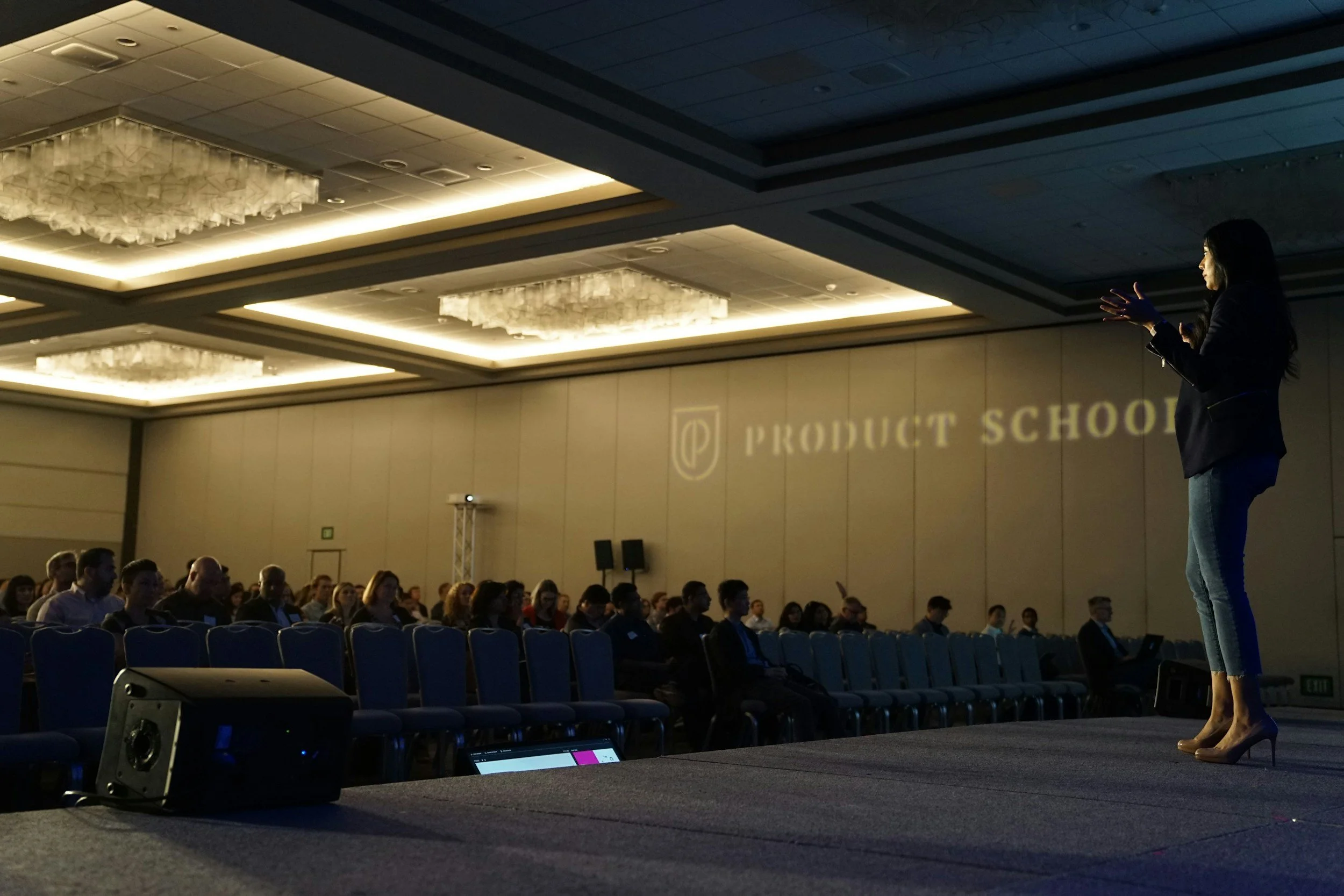
The third thing you want to do is make sure that you are a really strong in-person presenter.
Be a dynamic speaker by practicing your craft. We'll talk about this in an upcoming blog, but I’ve seen people who use AI features that make them appear as if they’re making eye contact with the camera even though they’re actually looking off-center at a script.
There are ways to edit your videos with multiple “cuts” so it looks like your ideas are flowing seamlessly.
There are ways to have ChatGPT or Claude design your presentation, without having the skill of independently creating a journey for the audience.
How will these shortcuts translate to the stage? [Listen to the Tell Me in Ten Podcast for more.]
The in-person experience of listening to a dynamic speaker inform and inspire will not be replaced with AI in a truly human way, so practice your craft to be able to bring people a real and meaningful experience.
For the fourth and final tip, be sure to check out the Tell Me in Ten podcast either on your favorite podcast platform or on YouTube.
